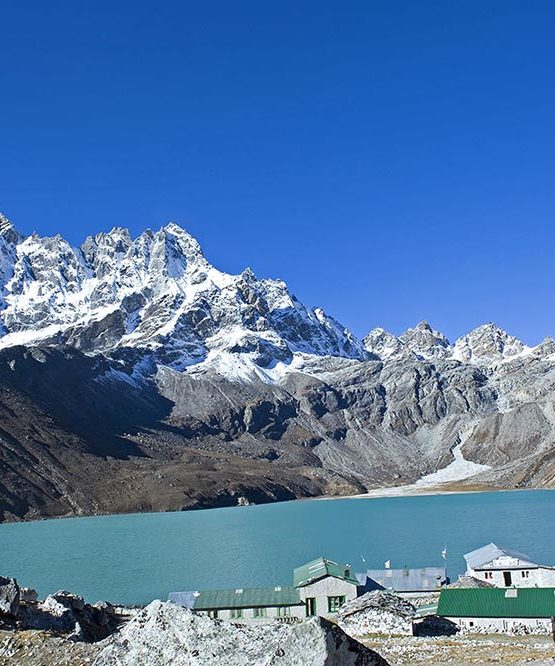
The Ama Dablam Expedition is a thrilling and challenging journey that combines trekking and technical climbing in the heart of the Himalayas. Known for its stunning beauty and distinctive shape, Ama Dablam (6,812 meters) is one of the most sought-after peaks for climbers and trekkers alike. Often referred to as the “Matterhorn of the Himalayas,” summiting Ama Dablam offers one of the most rewarding experiences for mountaineers, combining high-altitude trekking with technical mountaineering.
As part of the Ama Dablam Base Camp trek, you’ll have the opportunity to explore the rich culture of the Sherpa people while trekking through the Khumbu region, one of the most famous trekking destinations in the world. Along the way, you’ll pass through iconic villages like Namche Bazaar, Tengboche, and Pangboche, each offering spectacular views of Mount Everest, Lhotse, and other towering peaks of the Himalayas.
The expedition also includes an ascent of Island Peak (6,189 meters), a perfect warm-up for the technical climb of Ama Dablam. With the right guidance from expert Sherpa guides and the support of a well-organised team, climbers will experience both the thrill of reaching a summit and the beauty of the surrounding landscapes.
The Ama Dablam expedition offers more than just a climb it is an immersive journey through one of the most spectacular regions of the world, combining mountaineering with cultural discovery, breathtaking views, and unforgettable memories.
Highlights of the Ama Dablam Expedition

Trek through the heart of the Khumbu region, with panoramic views of Mount Everest, Lhotse, and Makalu.
Reach the summit of Island Peak (6,189m), preparing for the technical climb to Ama Dablam.
Experience the vibrant culture of the Sherpa people and visit traditional villages like Namche Bazaar, Tengboche, and Pangboche.
Participate in the Puja ceremony at Ama Dablam Base Camp, seeking blessings before the summit push.
Enjoy stunning views of Ama Dablam, often referred to as the “Matterhorn of the Himalayas.”
Acclimatize at key locations like Namche Bazaar and Pangboche, ensuring safe elevation gains and improving your chances of success on the summit.
Trek through lush rhododendron forests, serene Sherpa villages, and glaciers as you ascend to Ama Dablam Base Camp.
Experience the thrill of high-altitude mountaineering with technical climbing at Ama Dablam, including the use of ropes, ice axes, and crampons.
Walk in the Everest Region, home to some of the world’s highest peaks and rich Himalayan biodiversity.
Enjoy the support of experienced Sherpa guides and mountain leaders, ensuring safety and guidance throughout the trek and climb.
Itinerary for Ama Dablam Expedition
Day 1: Arrival and Kathmandu transfer to hotel
Day 2: Equipment check, induction with the expedition leader
Day 3: Lukla / Monjo 2800M (5 – 7 hours)
Day 4: Namche Bazaar/ Acclimatisation 3440M
Day 5: Rest day at Namche Bazaar
Day 6: Namche / Phortse 3840M
Day 7: Trek to Tyanbuche
Day 8: Trek to Chukung 4730M (6 – 7 hours)
Day 9: Chukung to Island Peak BC 5100M (5 – 6 hours)
Day 10: IPBC to Summit 6189M to BC to Chukung (10+ hours)
Day 12: Chukung to Pangboche 3985M (5 – 6 hours)
Day 12 – 22 (10 Days of climbing, Ama Dablam Base Camp. Puja ritual ceremony, contingency day, Training and preparation for summit bid. Camp 1, Camp 2, possibly Camp 3 and Summit)
Day 23 Return trek to Namche (6 – 7 hours)
Day 24 Return trek to Lukla (6 – 7 hours)
Day 25: Fly Lukla to Ramechap (30 min) and drive to Kathmandu (4-6 hours, traffic dependent)
Day 26 Departure
Ama Dablam Expedition Itinerary: Detailed Journey to the Summit
The Ama Dablam Expedition is one of the most challenging and rewarding treks and climbs in the world. This guide outlines a 26-day itinerary designed to give you an unforgettable experience while summiting one of the most iconic peaks in the Himalayas. With its beautiful vistas, challenging climbs, and rich Sherpa culture, Ama Dablam offers climbers a true test of endurance and skill. Here’s a breakdown of each day, designed to ensure a gradual ascent, proper acclimatization, and a safe summit.
Day 1: Arrival in Kathmandu and Transfer to Hotel
After arriving at Tribhuvan International Airport in Kathmandu, the capital of Nepal, you will be transferred to your hotel. This day serves as an introduction to Nepal’s rich culture and history. You’ll also have the opportunity to meet your team, including the expedition leader, Sherpas, and fellow climbers. Use the rest of the day to rest after your flight and prepare for the journey ahead.
The evening is an excellent time to explore the streets of Kathmandu or enjoy a traditional Nepali dinner. Be sure to relax and get plenty of rest, as the next day will begin with preparations for your climb.
Day 2: Equipment Check and Induction with Expedition Leader
On this day, your expedition leader will conduct an equipment check, ensuring you have all the necessary gear for the climb. This includes technical climbing equipment such as ropes, ice axes, crampons, and harnesses.
The team will also provide an induction, discussing the Ama Dablam climbing route, summit strategies, and safety procedures. It’s essential that everyone understands the expectations and challenges of the expedition. This day will also be spent organising and packing your gear in preparation for the trek to Lukla, where your expedition will officially begin.
Day 3: Kathmandu to Lukla / Monjo (2800M)
You will fly from Kathmandu to Lukla, a small mountain airstrip that serves as the gateway to the Everest region. Upon landing in Lukla, you’ll begin your trek towards Monjo, located at an altitude of 2800 meters. This portion of the trek takes about 5-7 hours and will be the first real test of your endurance in the mountains.
The path to Monjo is scenic, with views of the Dudh Kosi River and traditional Sherpa villages. Once you reach Monjo, enjoy a well-deserved rest and prepare for your acclimatization process as you ascend further.
Day 4: Namche Bazaar / Acclimatization (3440M)
Today, you will trek to Namche Bazaar, the vibrant market town and hub of the Everest region. Located at 3440 meters, Namche Bazaar offers stunning views of the surrounding peaks, including Ama Dablam, Mount Everest, and Lhotse.
This is also an acclimatization day, allowing your body to adjust to the increasing altitude. Acclimatization is essential during the Ama Dablam expedition to avoid altitude sickness, which is a serious concern at higher elevations. Spend the day relaxing, exploring Namche Bazaar, or visiting local attractions like the Sherpa Museum and Everest View Hotel.
Day 5: Rest Day at Namche Bazaar
Another rest day in Namche Bazaar will help your body adapt to the altitude. During this day, you can explore more of the village or take short hikes around the area. The extra rest time will be valuable as you prepare for the higher altitudes and the technical challenges of the Ama Dablam climbing route.
This day is a crucial part of the acclimatization process and will ensure that you’re physically prepared for the demanding days ahead.
Day 6: Namche to Phortse (3840M)
After resting in Namche, you’ll continue trekking towards Phortse, a peaceful Sherpa village situated at 3840 meters. This portion of the trek offers more breathtaking views and provides a clear look at Ama Dablam and the surrounding peaks. The trek to Phortse typically takes 6-7 hours, so it’s important to stay hydrated and pace yourself.
Day 7: Trek to Tengboche
On this day, you will trek to Tengboche, home of the famous Tengboche Monastery. Located at 3867 meters, Tengboche is a serene village offering spectacular views of Ama Dablam, Mount Everest, and Lhotse.
This village is also significant culturally, as Tengboche Monastery is a spiritual centre for Sherpas. Depending on the timing of your arrival, you may have the chance to attend a prayer ceremony at the monastery, which is an unforgettable experience for trekkers.
Day 8: Trek to Chukung (4730M)
Your trek continues to Chukung, located at 4730 meters. The trek to Chukung takes around 6-7 hours, and it’s vital to adjust to the altitude to properly prepare for Island Peak Base Camp (IPBC).
Chukung is a small village that serves as the last major stop before heading to the Island Peak Base Camp. Take the time to rest and acclimatize for the next challenging days ahead.
Day 9: Chukung to Island Peak Base Camp (5100M)
On this day, you will trek from Chukung to Island Peak Base Camp (IPBC), located at 5100 meters. This trek typically takes 5-6 hours and offers great views of the surrounding Himalayas.
Island Peak Base Camp is the ideal spot for acclimatization before attempting the Island Peak Summit, a key part of the Ama Dablam expedition trek.
Day 10: Island Peak Summit (6189M) to Base Camp (10+ hours)
Today is the big day! The goal is to summit Island Peak (6189 meters) and return to Base Camp in Chukung. This day will take around 10+ hours, as the climb is physically demanding and requires both mental strength and technical skills. The summit of Island Peak provides stunning panoramic views of the surrounding Himalayas, including Ama Dablam.
Once you’ve summited, descend back to Base Camp, feeling accomplished and ready for the Ama Dablam summit.
Day 12: Chukung to Pangboche (3985M)
After a challenging day at Island Peak, you’ll trek back to Pangboche (3985 meters), which is a peaceful village. The trek from Chukung to Pangboche takes around 5-6 hours, and it offers a bit of respite as you move lower in elevation.
Day 12 – 22: Ama Dablam Base Camp and Climbing Period
From Day 12 to Day 22, you will be at Ama Dablam Base Camp, where your climbing preparations begin in earnest. This period includes:
Puja Ritual Ceremony: A traditional ceremony for success, safety, and blessings before your summit attempt.
Acclimatization: You’ll continue to acclimatize to the high altitude and prepare physically and mentally for the summit attempt.
Training: If needed, training on technical skills will be conducted, including the use of ice axes, crampons, and ropes.
Climbing the Camps: You’ll move through Camp 1, Camp 2, and possibly Camp 3, depending on weather and conditions, as part of your strategy for summiting Ama Dablam.
Day 23: Return Trek to Namche (6 – 7 hours)
After the summit push, you’ll return to Namche Bazaar, which will take about 6-7 hours. This is a rewarding descent, allowing you to relax and reflect on the success of the climb.
Day 24: Return Trek to Lukla (6 – 7 hours)
Continue your trek back to Lukla. This portion of the trek typically takes another 6-7 hours, and you’ll enjoy the final leg of your Ama Dablam expedition.
Day 25: Fly Lukla to Ramechap (30 minutes) and Drive to Kathmandu (4-6 hours)
Take an early flight from Lukla to Ramechap and drive back to Kathmandu. The drive typically takes 4-6 hours, depending on traffic. This is the final leg of your journey.
Day 26: Departure
On your final day, you’ll depart from Kathmandu after a successful Ama Dablam expedition. You’ve completed a challenging trek and summit, and now it’s time to return home with unforgettable memories.
Best Time to Trek the Ama Dablam Expedition
The best seasons to undertake the Ama Dablam Expedition are during the pre-monsoon season (March to May) and the post-monsoon season (September to November). These months offer stable weather conditions and clear skies, which are essential for both trekking and climbing in the high Himalayas.
Pre-Monsoon (March to May): This is considered the best time for the Ama Dablam expedition, as the weather is typically warmer, and the days are longer, allowing for better climbing conditions. The trek and summit offer excellent visibility of the surrounding mountains.
Post-Monsoon (September to November): This is the second-best time for the expedition. The weather is usually clear, and the trails are less crowded compared to the pre-monsoon season. The fall season offers great visibility, making it a popular choice for trekkers and climbers.
During the monsoon season (June to August), conditions are less favourable, with heavier rainfall and a higher risk of altitude sickness. It’s best to avoid the monsoon season for both trekking and summiting Ama Dablam.
Equipment Check List
Frequently Asked Questions
1. What is the best time to do the Ama Dablam Expedition?
The best time to do the Ama Dablam Expedition is during the pre-monsoon (March-May) and post-monsoon (September-November) seasons for clear skies and stable weather.
2. How difficult is the Ama Dablam Expedition?
The Ama Dablam Expedition is a challenging technical climb, requiring experience with high-altitude trekking and mountaineering skills.
3. What permits are required for the Ama Dablam expedition?
For the Ama Dablam expedition, you need a TIMS Card, Sagarmatha National Park Permit, and an Ama Dablam Climbing Permit.
4. How long does the Ama Dablam Expedition take?
The Ama Dablam Expedition usually takes 26 days, including trekking to Ama Dablam Base Camp and acclimatization.
5. What is the cost of the Ama Dablam Expedition?
The Ama Dablam expedition cost typically ranges from $5,000 to $8,000, depending on the services included in the package.
6. Is previous mountaineering experience necessary for the Ama Dablam climb?
Yes, for the Ama Dablam climb, it’s recommended to have prior mountaineering experience with basic climbing skills.
7. What is the route to the summit of Ama Dablam?
You’ll trek from Ama Dablam Base Camp, passing Camp 1, Camp 2, and Camp 3, before reaching the summit using fixed ropes.
8. How do I prepare for the Ama Dablam Expedition?
To prepare for the Ama Dablam expedition, train in high-altitude conditions, focus on endurance, and practice technical mountaineering.
9. Can I combine the Ama Dablam expedition with other treks?
Yes, many climbers combine the Ama Dablam expedition with treks like the Everest Base Camp trek or summiting Island Peak for acclimatization.
10. Is it safe to climb Ama Dablam?
Climbing Ama Dablam is generally safe with proper preparation, experienced Sherpa guides, and adherence to safety protocols.
11. What type of gear do I need for the Ama Dablam Expedition?
For the Ama Dablam expedition, you’ll need trekking gear and technical climbing gear (crampons, ice axes, ropes, etc.) for both the trek and summit.
12. Can I trek to Ama Dablam Base Camp without summiting?
Yes, you can trek to Ama Dablam Base Camp without attempting the summit, enjoying the stunning views of Ama Dablam and the surrounding peaks.