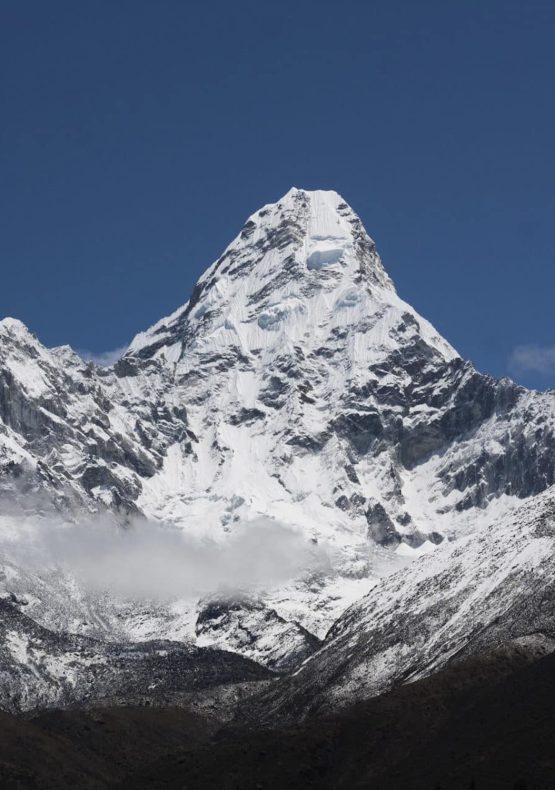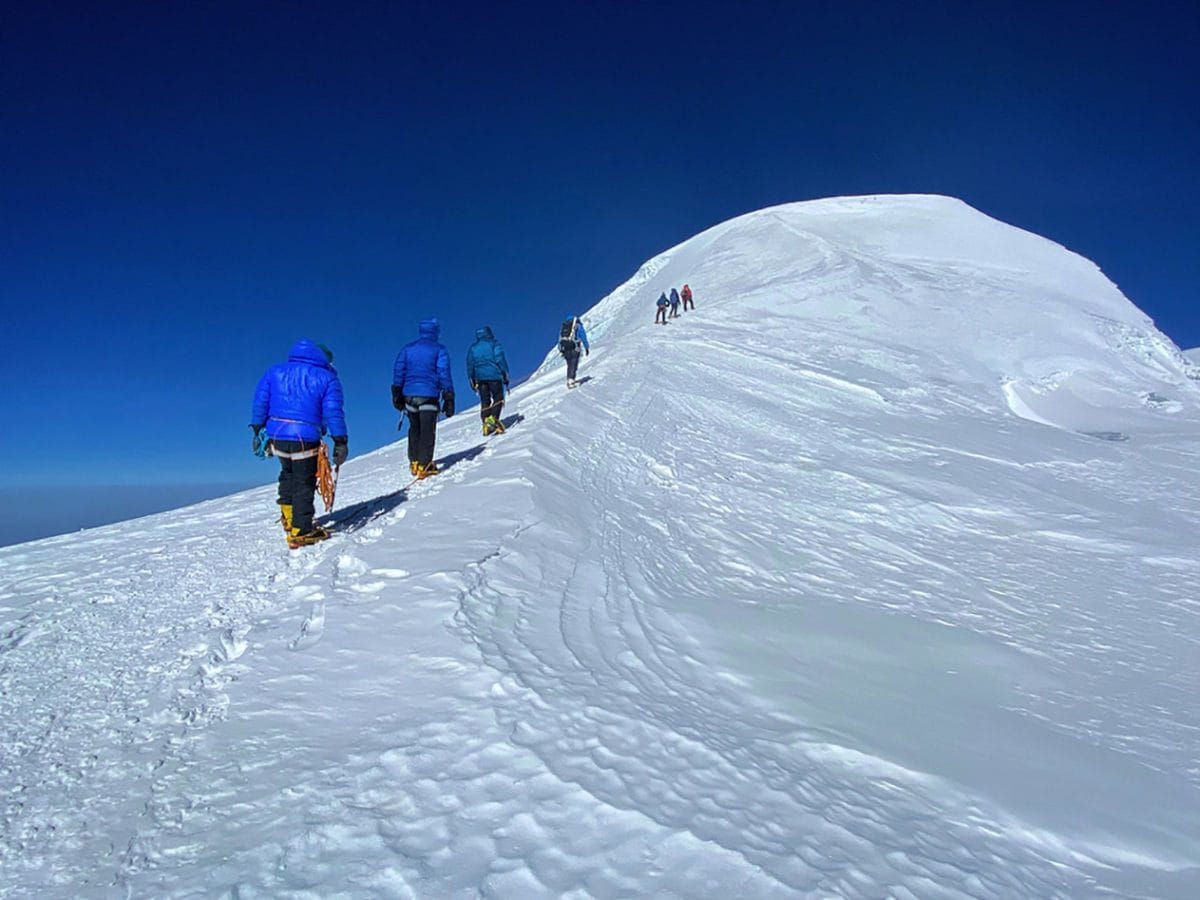
The Mera Peak Climbing adventure stands as one of Nepal’s most rewarding expeditions for those dreaming of summiting a Himalayan giant without the extreme technical difficulty of higher peaks. Rising to 6,476 m (21,247 ft), Mera Peak is the highest trekking peak in Nepal and offers jaw-dropping views of Everest, Lhotse, Cho Oyu, Makalu, and Kanchenjunga five of the world’s tallest summits.
Situated in the remote Khumbu region, this expedition is a perfect introduction to Himalayan mountaineering. The route combines high-altitude trekking, basic ice-climbing, and cultural immersion in Sherpa villages making it a complete Himalayan experience.
Where Is Mera Peak Located?
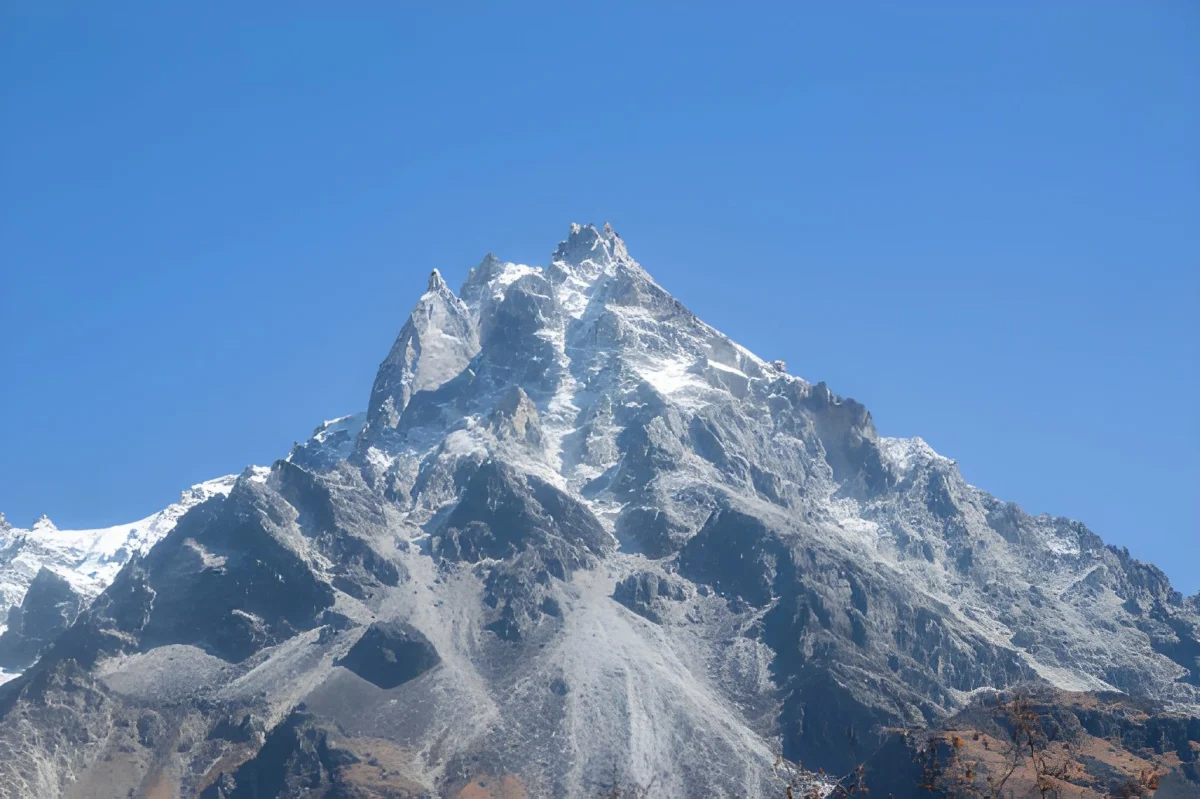
Mera Peak lies in the Mahalangur section of the Himalayas, to the south of Mount Everest and east of the Hinku valley. Climbers typically begin the journey with a scenic flight from Kathmandu to Lukla, followed by a trek through the less-traveled trails of Panggom, Nashing Dingma, and Cholem Kharka before reaching Khare, the base camp. This off-beat route provides tranquility far from the crowded Everest trails, blending adventure with pristine wilderness.
Trip Highlights – Mera Peak Climbing
- Summit Nepal’s highest trekking peak — Mera Peak (6,476 m)
Conquer the highest trekking peak in Nepal, standing proudly at 6,476 meters, and enjoy panoramic views of the mighty Himalayan range including Everest, Lhotse, Makalu, Cho Oyu, and Kanchenjunga. - Explore both Hinku and Khumbu Valleys
Experience the pristine beauty and cultural contrast of the Hinku Valley and Khumbu Valley, passing through rhododendron forests, alpine pastures, glacial lakes, and high-altitude Sherpa villages. - Perfect climb for beginner mountaineers
Mera Peak Climbing is one of the most achievable Himalayan summits for first-time climbers. It offers a chance to learn basic mountaineering skills from walking on snow with crampons to using ice axes and ropes under the guidance of certified Sherpa instructors. - Witness five of the world’s highest peaks from one summit
Enjoy a once-in-a-lifetime panorama of Everest (8,848 m), Lhotse (8,516 m), Makalu (8,485 m), Cho Oyu (8,188 m), and Kanchenjunga (8,586 m) all visible from the summit of Mera Peak on a clear day. - Trek through untouched Himalayan trails
Follow remote mountain trails through lush rhododendron, pine, and fir forests, with scenic waterfalls, glacier-fed rivers, and open yak pastures away from the busy Everest Base Camp routes. - Cultural immersion in traditional Sherpa villages
Encounter warm Himalayan hospitality in charming settlements influenced by Tibetan and Buddhist culture. Visit ancient monasteries, fluttering prayer flags, and friendly local teahouses along the route. - Cross one of the region’s highest passes — Zatrwa La (4,600 m)
Challenge yourself with a crossing of Zatrwa La Pass, a dramatic high-altitude route that offers sweeping views of the Hinku Valley and surrounding Himalayan ridges. - Enjoy flexible itineraries and scenic flight experiences
The adventure begins with a breathtaking flight to Lukla, gateway to the Everest region. Multiple route variations and acclimatization days allow for a comfortable pace, ensuring a safer and more rewarding climb. - Unmatched sunrise from the summit
Begin your final ascent before dawn and reach the summit just as the sun paints the Himalayas gold one of the most mesmerizing sunrise experiences on Earth.
Mera Peak Height and Its Significance
The height of Mera Peak is 6,476 m, officially recognized by the Nepal Mountaineering Association (NMA). Despite being a trekking peak, the climb is physically demanding due to the thin air and long ascent days. For climbers aiming to progress toward higher 7,000 m or 8,000 m expeditions, Mera Peak Expedition serves as an ideal first step.
Guideline Itinerary
| Day | Itinerary | Altitude (m) |
|---|---|---|
| 01 | Kathmandu arrival and Overnight at Hotel | 1,400 |
| 02 | Tour at Kathmandu and preparation for Climbing and Trek | — |
| 03 | Kathmandu to Lukla Flight and uphill trek till Chhuthang | — |
| 04 | Chhuthang to Tuli Kharka Trek crossing Zatrawa La Pass | — |
| 05 | Trek from Tuli Kharka to Kothe [4,182 m / 13,716 ft] | 4,182 |
| 06 | Kothe to Thangnak Trek | — |
| 07 | Reach Khare from Thangnak | — |
| 08 | Rest at Khare | — |
| 09 | Khare to Mera High Camp | — |
| 10 | Reserve day in case of bad weather | — |
| 11 | Summit Mera Peak [6,461 m / 21,192 ft] and descend to Khare | 6,461 |
| 12 | Trek back from Khare to Kothe | — |
| 13 | Trek from Kothe to Tuli Kharka | — |
| 14 | Trek from Tuli Kharka to Lukla via Zatrawa La Pass | — |
| 15 | Flight to Kathmandu from Lukla and transfer to hotel | — |
| 16 | Free Leisure Day at Kathmandu | — |
| 17 | International departure from Kathmandu | — |
Difficulty Level and Technical Requirements
While the Mera Peak Climb does not require advanced mountaineering skills, basic knowledge of ice-axe use, crampon walking, and rope techniques is essential. The summit push involves glacier travel and a final steep section, but fixed ropes and guide assistance make it achievable for most fit trekkers.
Mera Peak Trek is often described as a “trekking climb”, accessible yet thrilling. The main challenges are high altitude, long trekking days, and cold weather. A good fitness base, proper gear, and professional guidance ensure a safe and memorable ascent.
Mera Peak Climbing Cost
The cost for the Mera Peak Climbing expedition typically ranges between USD 2,000 – USD 2,500 per person, depending on season, group size, route, and inclusions.
Included in the cost:
Domestic flights (Kathmandu ↔ Lukla)
Climbing and trekking permits
Experienced climbing guide, porter support
Accommodation (tea-houses & tented high camps)
All meals during the trek & climb
Group climbing gear (ropes, fixed lines, etc.)
Excluded: international airfare, Nepal visa, personal climbing gear, personal insurance and evacuation coverage, upgrades and optional extras.
Mera Peak Weather and Best Time to Climb
The best climbing windows for Mera Peak are spring (March–May) and autumn (September–November).
Spring: Stable weather, moderate cold, clear mornings. Perfect for summit success.
Autumn: Dry air, excellent visibility, less snowfall, and colorful forests on the lower trail.
Winter: Possible but extremely cold above 5,000 m; not ideal for beginners.
Monsoon (June–August): Trails become slippery; poor visibility and heavy rainfall.
Checking Mera Peak weather forecasts before your climb is essential for timing your summit day and ensuring safety.
Essential Gear Checklist
Insulated mountaineering boots (double layer recommended)
Down jacket & pants
Thermal base layers
Waterproof outer shell
Gloves (inner + outer)
Headlamp, sunglasses, sunscreen
Crampons, harness, ice axe (usually provided by your guide)
Sleeping bag (–20 °C)
Duffel bag & day pack
Your Mera Peak Expedition guide will provide a full pre-departure gear briefing.
Mera Peak Trekking Route and Scenery
Unlike the crowded Everest Base Camp route, Mera Peak Trekking takes you through untouched Sherpa villages, dense rhododendron forests, and high-alpine terrain. As you gain altitude, you’ll pass yak pastures, glacier moraines, and shimmering icefalls. The panorama from the summit is considered one of the best in Nepal a 360° view of five 8,000-meter peaks: Everest, Lhotse, Cho Oyu, Makalu, and Kanchenjunga.
Who Can Join the Mera Peak Expedition?
Trekkers with prior high-altitude experience (e.g., Annapurna Circuit, Everest Base Camp).
Adventurers seeking their first Himalayan summit.
Climbers preparing for 7,000 m or 8,000 m peaks like Island Peak or Lobuche East.
Fitness enthusiasts comfortable trekking 6–7 hours daily.
For those with time, combining Mera and Island Peak Climbing provides a thrilling double-summit experience in one journey.
Why Choose PlanATrek for Mera Peak Climbing
At PlanATrek, we specialize in personalized Himalayan adventures from guided treks to full climbing expeditions. Our Mera Peak Climbing package includes expert climbing sherpas, safety equipment, oxygen backup, and quality logistics. We focus on small group experiences to ensure safety, acclimatization, and authentic local connection.
With 25+ years of guiding experience, we are your trusted partner for Mera Peak Climbing in Nepal — making your summit both safe and unforgettable.
Quick Facts
Region: Khumbu (Everest region, Nepal)
Altitude: 6,476 m (21,247 ft)
Grade: Alpine PD (moderate difficulty)
Duration: 17–18 days
Best Season: Spring & Autumn
Accommodation: Teahouse + Tent
Permits: NMA, Makalu Barun, Khumbu region
The Mera Peak Climb is a life-changing experience that balances adventure and accessibility. It’s the ideal expedition for trekkers dreaming of standing atop a Himalayan peak with minimal technical barriers. From serene forests to glacial landscapes, from remote valleys to the ultimate summit view the journey defines what Himalayan exploration is all about.
If you’re ready to challenge yourself while discovering Nepal’s untamed wilderness, join PlanATrek’s Mera Peak Expedition where every step brings you closer to the clouds.
Frequently Asked Questions
1. What is Mera Peak’s height and why is it significant?
Mera Peak stands at approximately 6,476 m (21,247 ft), making it the highest trekking peak in Nepal. Its summit offers spectacular 360° views of some of the world’s tallest mountains, including Mount Everest, Lhotse, Makalu, Cho Oyu and Kanchenjunga.
2. When is the best time to climb Mera Peak?
The ideal seasons to climb Mera Peak are Spring (March–May) and Autumn (September–November), when the weather is most stable and mountain views are clear. Climbing during winter or monsoon is possible but comes with greater challenges.
3. Is prior climbing experience required for Mera Peak?
While Mera Peak is labeled a “trekking-peak” and is more accessible than many technical peaks, it is still not a regular hike. You’ll need good fitness, stamina, and comfort walking at high altitude (above 5,000 m). Basic mountaineering skills (such as using crampons and ice-axe) increase your success rate.Beginners can do it with proper preparation and guided support.
4. How long does the Mera Peak climbing itinerary usually take?
A standard climb of Mera Peak typically spans 16–18 days or occasionally up to 21 days, depending on route variations and acclimatisation days. This covers arrival in Kathmandu, flight to Lukla, the trek to base camp, the summit push and descent.
5. What’s the difficulty level and what are the major challenges?
The climb is considered moderate from a technical perspective but the major challenge lies in altitude, long days of trekking, and high-altitude glacier/snow travel. The summit day may involve 8–16 hours of walking, steep snow slopes, and exposure to cold, thin air. Proper acclimatisation and fitness are key.