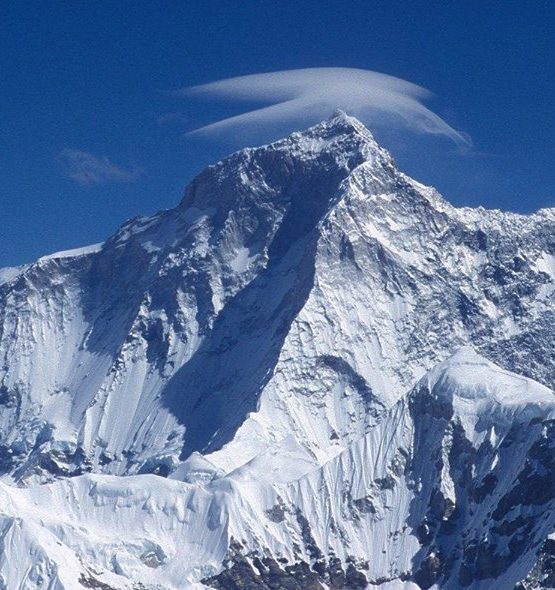
Nar-Phu Valley with Kang La Pass Trek is a challenging but rewarding trekking experience in the Annapurna region of Nepal. It is a spectacular off-the-beaten-path adventure that takes trekkers deep into the remote valleys of Nar and Phu, located in the northern Annapurna region of Nepal. This trek combines
The Nar-Phu Valley Trek with Kang La Pass is a remarkable and challenging adventure in the Annapurna region of Nepal. Known for its remote, untouched landscapes and unique Tibetan-influenced culture, it offers a truly off-the-beaten-path experience.
Why Choose the Nar – Phu Valley & Kang La Pass Trek?
✔ Explore one of Nepal’s most remote and culturally rich Tibetan villages
✔ Experience an off-the-beaten-path trek away from crowded routes
✔ Cross the thrilling high-altitude Kang La Pass (5,322m)
✔ Enjoy stunning views of Annapurna, Himlung Himal, and Kang Guru
✔ Visit ancient Buddhist monasteries and traditional Tibetan settlements
This trek is perfect for trekkers looking for an authentic cultural experience combined with breathtaking Himalayan scenery. With its untouched landscapes, ancient monasteries, and thrilling high-altitude adventure, the Nar Phu Valley & Kang La Pass Trek is one of Nepal’s most rewarding hidden gems.
Highlights of the Nar-Phu valley with Kang La Pass Trek

Remote and Unspoiled Valleys: The Nar and Phu valleys were only opened to trekkers in 2003, making them much less crowded and commercialized than other popular routes. You’ll encounter ancient villages that have preserved their traditional way of life, untouched by modern influences.
Unique Tibetan-Influenced Culture: Immerse yourself in the distinct culture of the local Gurung and Lama communities, particularly in Nar and Phu villages. You’ll find ancient monasteries, chortens (Buddhist stupas), and prayer flags that reflect a strong connection to Tibetan Buddhism.
Kang La Pass (5,306 meters / 17,408 feet): This is the highest point of the trek and a major highlight. Crossing this challenging high-altitude pass is a significant achievement and offers truly unparalleled panoramic views.
Dramatic Landscapes: The trek takes you through a diverse range of scenery, from narrow canyons and deep river gorges carved by rushing rivers to high-alpine meadows, rocky slopes, and glacial streams. You’ll witness unique rock formations and rugged terrain.
Stunning Mountain Views: Throughout the trek, you’ll be treated to breathtaking views of towering Himalayan peaks.
From Kang La Pass: You’ll get incredible 360-degree views of the Annapurna Himalayan ranges, including Annapurna II, Annapurna III, Gangapurna, Tilicho Peak, Himlung Himal, and Kang Guru.
Along the trail: You’ll also see majestic mountains like Manaslu, Dhaulagiri, Annapurna I, Pisang Peak, and various Chulu peaks.
Ancient Monasteries and Chortens: Discover historical monasteries perched on high ridges, such as the Phu Monastery, offering insights into the spiritual heritage of the region.\
Wildlife Encounters: Due to its remote nature, there’s a chance to spot rare wildlife like blue sheep, snow leopards (though very rare), musk deer, and various mountain goats.
Pastoral Life: Observe traditional yak and sheep herding in the high-altitude pastures.
Guideline Itinerary for Nar-Phu valley with Kang La Pass Trek
Day 01: Arrival in Kathmandu 1338m
Day 02: Guided Sightseeing Tour in Kathmandu Valley
Day 03: Drive from Kathmandu to Jagat 1330m/8-9 hours
Day 04: Trek from Jagat to Dharapani 1860m/5-6 hours
Day 05: Trek from Dharapani to Koto 2600m/5-6 hours
Day 06: Trek from Koto to Meta 3570m/6-7 hours
Day 07: Trek from Meta to Kyang 3840m/3-4 hours
Day 08: Trek from Kyang to Phu 3900m/3-4 hours
Day 09: Trek from Phu to Nar 4100m/6-7 hours
Day 10: Trek from Nar to Ngawal 3660m/6-7 hours via Kang-La Pass 5320m
Day 11: Trek from Ngawal to Manang 3540m/5-6 hours
Day 12: Trek from Manang to Pisang 2675m/5-6 hours
Day 13: Trek from Pisang to Chame 2670m/5-6 hours
Day 14: Drive from Chame to Kathmandu
Day 15: Free at Kathmandu
Day 16: Final Departure from Kathmandu.
Note:- this is only generally itinerary we can make longer and shutter for this trek and if any one would like to proceed your trip toward Meshikandu la pass (Tilicho pass) or Thorong La pass we will design programmed as per client request.
Trekking Map

History and Culture of Nar Phu Valley.
The Nar-Phu Valley remained hidden from the outside world until 2003 when it opened to foreign trekkers. The Nepalese government discovered these remote villages when residents of Chame noticed unusually cut clothes flowing down the Nar Khola River, sparking curiosity that led to the valley’s revelation.
Interestingly, during the 1960s, Nar-Phu served as a secret training ground for Khampa warriors – Tibetan resistance fighters supported by the CIA. The region’s remote terrain near the Tibetan border made it an ideal location for these operations. Some bunkers and settlements from this era can still be spotted during the trek, adding a layer of historical intrigue to your journey.
The villages trace their roots to Tibetan migrants who crossed the Himalayas centuries ago seeking peaceful pastoral lands. Their influence remains deeply embedded in the valley’s Buddhist culture, architecture, and traditional lifestyle.
The region remained closed to foreign trekkers until the early 21st century, preserving its ancient Buddhist traditions, centuries-old monasteries, and unique Tibetan-influenced culture. One of the most revered sites in the region is the Tashi Lhakhang Monastery in Phu, believed to have been blessed by Guru Rinpoche (Padmasambhava) himself. Along the trail, you will see prayer flags, mani walls, and stone chortens, adding a deeply spiritual touch to the trek.
Nar and Phu villages are known for their fortress-like stone houses, built close together to protect against the harsh Himalayan climate. These villages offer a glimpse into a lifestyle that has remained unchanged for centuries.
When is the best time to trek?
- Sept-October – November and Autumn are Nepal´s peak and best time to go trekking.
- March – May is the second-best season of year to go trekking.
- December – January -February: the skies are clear but it can get very cold and there is a risk of passes being closed due to snow fall.
How Challenging is Nar- phu Valley trek?
Nar Phu Valley trek lies in the most remote part of the Manang District of Nepal. The trek is difficult grading as we need to cross the Kang La pass on a narrow trail. The rest of the trail is moderate and needs to trek 12 -15 km and 1 day almost 20 km in. and treks hours are roughly 6/7 hours each day.
The Nar Phu Valley trek is a challenging one. There are a few days that require 6-7 hours of trekking and not a lot of flexibility in the distances that you have to cover every day. In addition to this, the altitude gains are higher and higher every day.
Required Documents for Nar- Phu valley trek Permit.
- There are 2 kinds of permits required for Nar Phu Valley Trek.
- 1)Nar Phu Valley Restricted Area (Special Permit)
- 2) ACAP (Annapurna Conservation Area Project) Permit.
- Permit cost for Nar Phu Valley Trek.
- it costs 100$ per person for a week and for additional 15$ per day per person (September to November). It costs 75$ per person for a week and for additional 15$ per day per person (December to August).
- Nar Phu Valley Restricted Area (Special Permit):
- ACAP (Annapurna Conservation Area Project) Permit: It costs 30$ Per person and will be valid during your Trek.
About TIMS:-
- (TIMS) Trekkers’ Information Management System, is not necessary for Nar Phu Valley Trek when you have a Restricted Special Trekking Permit of Nar Phu Valley.
Required Documents:-
- Original Passport of Trekkers (Nepal Visa Valid)
- Photo 2 Passport size.
Cost Include for Nar-Phu Valley with Kang-la pass
- Airport pick up and drop service
- 3 Nights Hotel in Kathmandu on BB Plan
- Nar Phu Valley Special Permit
- Annapurna Conservation area Fee
- One English speaking experience guide
- Kathmandu-Chamje and Chame-Kathmandu by Public bus or Jeep
- All meals (Breakfast, lunch and dinner) with Lodge Tea house accommodation during the trek
- Staffs, equipment, meals, salary, insurance etc..
- All official expenses and Government VAT
- Farewell dinner
Cost Exclude
- International airfare and visa fees
- Lunch and Dinner in Kathmandu
- All the drinks like mineral water, Fanta, coke, beer, tea, coffee etc.
- Your trekking gears
- Porter to carry your Bag ( 1 porter between two trekkers )
- Your travel insurance which should include the emergency rescue if emergency
- Tips for staffs.
Detail Programme
Day 1: Arrival in Kathmandu 1338m
Arrival in Kathmandu Tribhuvan International Airport and you will be met at the airport by our representative who will be waiting with a plan a Treks sign outside the terminal and transfer to hotel by private car. Complete hotel checking there will be a group briefing with your tour leader. He will discuss the trek details and co-ordinate.
Day 2: Guided Sightseeing Tour in Kathmandu Valley
After breakfast in the hotel, Drive to Swayambhunath Stupa which is very close form the center of Kathmandu. It takes some minutes to be there. This Temple is also known as Monkey Temple which is considered to be self-made Stupa. Then visit to Boudhanath Stupa: the biggest stupa in Nepal and one of the bigger stupas in the world. You can basically experience Tibetan Buddhism, culture and way of life in Boudhanath Area. Boudhanath area is the authentic place to buy Tibetan stuffs. Again, you will be visit Pashupatinath Temple and it is one of the most sacred temples in the entire Hindu world. It is a sacred place where Hindus come to die and to be cremated. The temple of Pashupatinath is a large double roofed, gilt pagoda, decorated with brass, the gateway is plated with silver. There are images of Shiva along with other statues, shrines and temples dedicated to other deities in the complex.
Day 3: Drive from Kathmandu to Jagat 1330m/8-9 hours by private land cruiser
In the morning, drive from Kathmandu to Jagat via Besisahar by private land cruiser passing the Trisuli and Marsyangdi River and it takes around 8-9 hours. You can see three snow peaks, Lamjung Himal, Peak 29 and Manaslu during the driving. Overnight at a lodge in Jagat.
Day 4: Trek from Jagat to Dharapani 1860m/5-6 hours
Start your trek in the morning after breakfast, the trail goes gradually uphill to Chamje and you cross another suspension bridge and follow the steep rocky trail until reaching Tal village which takes 3 and half hours. You can see again very beautiful waterfalls in Tal. You have lunch break here. Then you continue again on a rocky trail to Kotro, which takes about 2 hours. You continue straight and cross the suspension bridge near Lower Dharapani. You continue a little more climbing and arrive in Higher Dharapani.
Day 5: Trek from Dharapani to Koto 2600m/5-6 hours
You begin your trek in the morning towards Bagarchhap which takes about 1 hour passing through pine and fir forests. You can visit the white washed monastery in this village. Then you continue your trek till Danaque it takes about 1 hour. The trail is ascending steeply until Timang which takes about 1 and half hour. You have a good view of Mt. Manaslu and Peak 29. Now your trail continues through pine forests again till Latamarang which takes about 1 and half hour. You have lunch break here. After lunch, you walk again through forests and you have a short glimpse of Annapurna II. Finally you arrive in Koto village after 1 and half hours walk.
Day 6: Trek from Koto to Meta 3570m/6-7 hours (Nar-Phu Valley Restricted Area Permit Entry)
In the morning, you register your restricted area permit at the Police check post. Then you start your trek through the river bank of Suti Khola again through wonderful pine forests passing many streams and suspension bridges until reaching Dharmasala which takes about 5 hours. You can see a picturesque Waterfall near the Dharmasala. You
have your packed lunch on the way. Then you continue your trek again through forests and ascend steeply till Meta Village,
Day 7: Trek from Meta to Kyang 3840m/3-4 hours
Today, you start with up and down as well as on traversing suspension bridges over different streams. It is short trek to Kyang which takes about 4 hours. Actually, you do not find any houses and lodges in this area but now there is newly built lodge in Kyang. You just see the remnants, particularly the ruined forts of the Khampa settlement (the place which Khampa refugees from Tibet once captured and lived illegally) at places like Jhunam, Chyakhu and Kyang
Day 8: Trek from Kyang to Phu 3900m/3-4 hours
Morning after breakfast, then you keep walking passing the Phu Khola on a rocky trail until Phu village which takes about 3 hours. You can see Blue Sheep during the trail. Now you are in one of the unique Lost/ Hidden Valleys. You can see their cultures, natural diversity, and religion of the ethnic groups like Lama, Gurung and Ghale. The people are depending on subsistence agricultures, animal breeding and seasonal migrations. The very old Buddhist Monastery known as Tashi Lakhang Monastery is listed out of the 108 world’s great Buddhist Monasteries; it is believed to be the last monastery constructed by Karmapa Rinpoche. You have a great view of Hemlung Himal and other snow peaks.
Day 9: Trek from Phu to Nar 4100m/6-7 hours
Today, the trail descends, passing many streams and suspension bridges until Mahendra Pul which takes about 4 hours. You pass the high suspension bridge 80m over the Gorge of Lapche River. You have lunch in Mahendra Pul. After lunch, the trail steeply ascends passing many Buddhist stupas until Naar Village which takes about 2 hours. You find here many Buddhist Monasteries to visit as well as a very good view of Pisang Peak and other small peaks
Day 10: Trek from Nar to Ngawal 3660m/6-7 hours via Kang-La Pass 5320m (Nar-Phu Valley Restricted Area Permit Exit)
Today morning you will start your trek early in the morning and until to Jhombu Kharka also known as Kang-La Phedi. It takes 3 hours. You can see Yak herder’s camp with many Yaks. The trail steeply ascends passing different landslide areas to Kang-La Pass which takes about 2 and half hour. Now you have a superb view of the Annapurna Range and other peaks. Then you descend steeply till Ngawal village which takes about 3 hours.
Day 11: Trek from Ngawal to Manang 3540m/5-6 hours
Today your trail is slightly descending until reaching Braga village. Visit the monastery. It takes 2 and half hour. Then 30 minutes’ walk from Braga to Manang. This is the right option for a great view of the Annapurna Range. Afternoon, hike to Chunker view point – Gangapurna Lake & Cave Gompa. You can hike to Chhunker view point which takes about 1 and half hour. You can see the Gangapurna Lake as well, as the Annapurna range like Annapurna I, II, III, IV, Tilicho peak, Pisang peak, Chulo peak, Thorong peak and so on. Then you return back to your lodge and have lunch there. After lunch you hike with your guide to the Cave Gompa which is situated at the elevation of about 4500m. It takes 2 hours to reach there. This is also a very good place to have magnificent view of Annapurna Range. Then you return back to your lodge.
Day 12: Trek from Manang to Pisang 2675m/5-6 hours
After breakfast in the morning with the views of spectacular mountains around Manang area, we will head to Braga which 15 minutes and continue to Humde village along the Marsyangdi River. It takes about 3 hours and where we will have our lunch. There is also small airstrip. Then after lunch, we will keep smoothly walking until reaching Pisang village which takes 2 hours. We will go evening to upper Pisang to visit ancient Buddhist monastery and from where the views of Annapurna II, IV and Pisang peak are often awesome
Day 13: Trek from Pisang to Chame 2670m/5-6 hours
Today morning, the trail is going easily since you need to walk sometime in road until Dikur Pokhari through the pine and rhododendron forests which takes about 1 and half hour. You need to walk down hill through the pine forest until Bratang which takes about 1 and half hour. Then you will stop for lunch and after lunch you walk on level trail through the pine forest until reaching Chame village which takes about 2 hours, finally you need to cross above suspension bridge over the Marsyangdi River. This village is head quarter of Manang district and all administrative places.
Day 14: Drive from Chame to Kathmandu
early Breakfast drive back to Kathmandu buy private jeep
Day 15: free at Kathmandu
Shopping and preparation
Day 16: Final Departure from Kathmandu to next destination
Plan a Trek representative transfer to Kathmandu Tribhuvan International airport to your home flight.
Training & Fitness Requirements
Fitness Preparation for Nar-Phu Valley Trek
Recommended 2-3 Month Training Plan:
Cardiovascular Endurance (Most Important):
– Running/jogging: 30-45 minutes, 3-4x per week
– Cycling: 1-2 hours on weekends
– Swimming: 30-40 minutes, 2x per week
– Stair climbing: 20-30 minutes with weighted backpack
Strength Training:
– Leg exercises: Squats, lunges, calf raises (3x per week)
– Core workouts: Planks, sit-ups (3x per week)
– Back exercises: For carrying backpack weight
Practice Hiking:
– Weekend hikes with 5-7kg backpack
– Focus on trails with elevation gain
– Gradually increase distance and difficulty
Physical Requirements:
Ability to walk 5-7 hours daily for 10+ consecutive days
Comfortable carrying 5-7kg daypack
Previous multi-day trekking experience beneficial
No serious cardiovascular or respiratory conditions
Nar-Phu Valley Trek with Kang La Pass – Frequently Asked Questions
1. What is the Nar-Phu Valley Trek with Kang La Pass?
The Nar-Phu Valley Trek with Kang La Pass is a challenging adventure that combines remote Tibetan villages (Nar and Phu) with crossing the 5,320m Kang La Pass. This trek offers pristine Himalayan landscapes, ancient Buddhist culture, and stunning Annapurna mountain views in one complete journey.
2. How difficult is crossing Kang La Pass on the Nar-Phu Valley Trek?
Kang La Pass at 5,320m is the most challenging section, requiring steep ascents on rocky terrain and potentially snow-covered slopes. The crossing takes 7-9 hours from Nar to Ngawal and demands good acclimatization, proper gear including trekking poles, and an early morning start.
3. How many days does the Nar-Phu Valley Trek with Kang La Pass take?
The complete Nar-Phu Valley Trek with Kang La Pass typically takes 14-18 days including arrival and departure from Kathmandu. The actual trekking days are 11-14, with essential acclimatization stops in Nar or Phu villages before crossing Kang La Pass.
4. What permits are required for Nar-Phu Valley Trek with Kang La Pass?
You need two permits: a Nar-Phu Restricted Area Permit (USD 75 for first 7 days, USD 15/day after) and Annapurna Conservation Area Permit (USD 30). Solo trekking is prohibited; you must hire a licensed guide through a registered agency to cross Kang La Pass.
5. When is the best season to trek Nar-Phu Valley and cross Kang La Pass?
Spring (March-May) and autumn (September-November) are ideal for the Nar-Phu Valley Trek with Kang La Pass. These months offer stable weather for the high pass crossing, clear mountain views, and safer trail conditions with minimal snow on Kang La Pass.
6. What is the maximum altitude reached on this trek?
The maximum altitude is 5,320 meters (17,454 feet) at Kang La Pass, the highest point connecting Nar Village to the Annapurna Circuit. Proper acclimatization in Nar (4,110m) or Phu (4,080m) villages is crucial before attempting the pass crossing.
7. What accommodation and facilities are available on Nar-Phu Valley Trek?
Basic teahouses and local lodges provide twin-sharing rooms with shared facilities throughout the trek. Accommodation in Nar and Phu villages is particularly basic with limited electricity and hot water, while lodges after Kang La Pass on the Annapurna Circuit offer slightly better amenities.
8. How much does the Nar-Phu Valley Trek with Kang La Pass cost?
The trek costs USD 1,200-2,500 per person depending on group size, season, and service level. This typically includes all permits, experienced guide for Kang La Pass crossing, porter service, teahouse accommodation, meals during trekking, and ground transportation from Kathmandu.