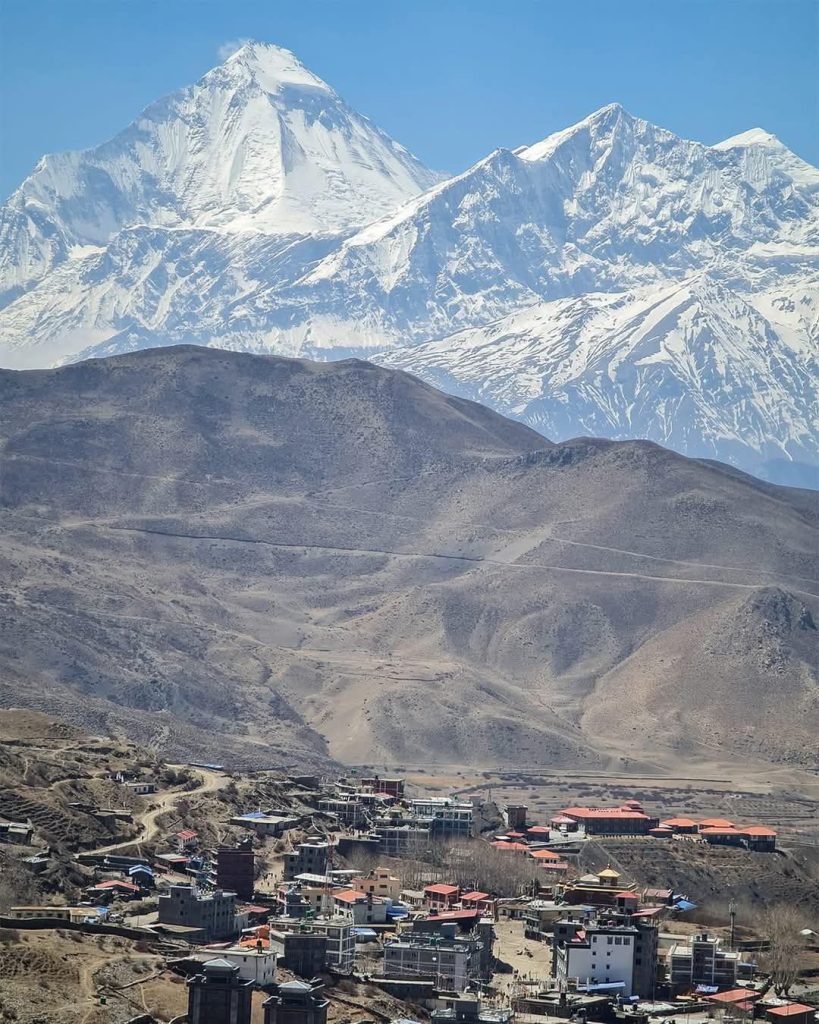
Have you ever dreamed about standing near the world’s tallest mountain? That feeling is special. The Everest base camp trek is not just a walk. It is a life-changing adventure that should be on everyone’s bucket list.
I still remember when I first saw those beautiful snow mountains. My heart beat fast. I could not breathe properly. I knew that this trip would change my life forever. Anyone can do this trek. You can be new to trekking or you can be experienced. This trek calls everyone who wants to try something big.
The path to Everest base camp goes through old villages. You walk on hanging bridges over rivers. You see beautiful views that will make you cry with happiness. This trek teaches you to be strong. It teaches you about friendship. It shows you how much power you have inside you. Let me tell you why this adventure should be at the top of your list.
Why Everest Base Camp Should Be On Your Bucket List
The Best Adventure Challenge
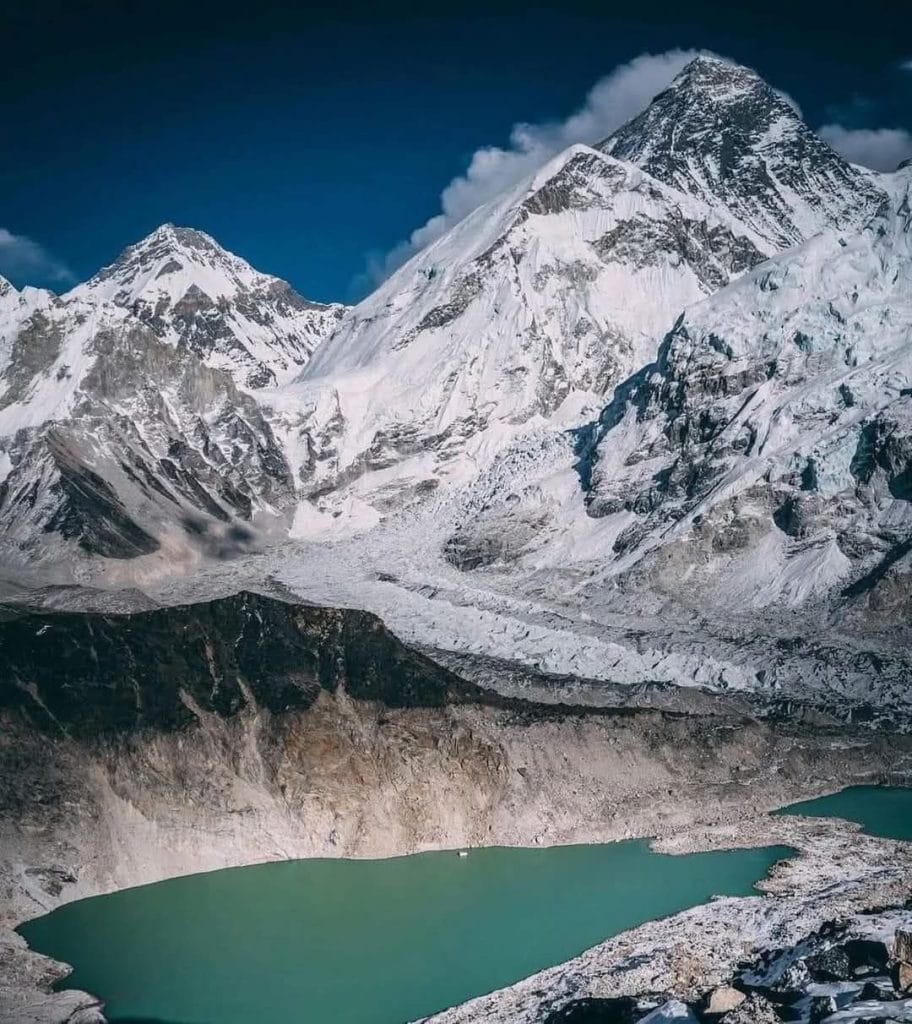
Everest base camp sits at 5,364 meters (17,598 feet) high. It is one of the most reachable but challenging high mountain treks in the world. You do not need special climbing skills. You do not need years of practice. You just need to be ready and have a brave heart. This trek is not too easy and not too hard. It is perfect for people doing high mountain treks for the first time.
The trip usually takes 12-14 days. Your body gets time to adjust to the height. Your spirit enjoys the beautiful Himalayan mountains. Every day brings new challenges. Steep climbs test how strong you are. Thin air teaches you to be patient. Beautiful views reward every hard step you take.
Everest base camp trek cost is much less than climbing to the top of Everest. Climbing to the summit needs special skills and costs hundreds of thousands of dollars. But reaching Base Camp is possible for normal people with big dreams.
Amazing Cultural Experience
The travel to Everest base camp is not just about mountains. It is a deep journey into Sherpa culture and Buddhist ways. You will pass through villages like Namche Bazaar, Tengboche, and Dingboche. Prayer flags fly in the wind. Monasteries sit on cliff sides. The warm Sherpa people will welcome you. They share butter tea and stories around cozy fireplaces.
Walking this trail means stepping into a living culture. People have lived here for hundreds of years in these tough conditions. You will:
- Spin prayer wheels
- Watch monks do old ceremonies
- Learn about the deep spiritual connection Sherpa people have with Chomolungma (the Tibetan name for Everest, meaning “Mother Goddess of the World”)
I will never forget sitting with a Sherpa grandmother in Namche Bazaar. She told me stories about her grandfather who guided early trips. Her old hands pointed toward Everest. She explained how her people see the mountain not as something to conquer but as a holy presence to respect. These moments remind you that this trek is about more than just reaching a goal.
Personal Growth You Cannot Measure
This trek will push you beyond what feels comfortable. The challenge is real. Thin air makes every step harder. The cold tests your will. Altitude sickness can affect even the fittest people. But here is the beautiful truth. When you overcome these challenges, you discover strength you did not know you had. You will learn that you can do much more than you believed possible.
Every morning you wake up in a cold guesthouse. Your muscles hurt from yesterday’s climb. You face a choice. Give up or keep going. Every time you choose to put on your boots and step back onto the trail, you are building strength. This strength will help you long after you go back home. The confidence you gain does not stay in the mountains. It follows you into your daily life, your work, and your relationships.
Everest base camp hike cost is worth it. The friendships made on this trail are special. There is something about sharing hard times and celebrating small wins together. Supporting each other through headaches from the altitude creates bonds stronger than years of regular friendship. Many people say the friends they met on the trail became friends for life.
Best Time To Trek To Everest Base Camp
Spring Season Beauty (March To May)
Spring is the most popular time for the Everest base camp trek. There are good reasons for this. As winter ends, the trail comes alive. Red, pink, and white flowers bloom everywhere. The weather gets warmer. The trek becomes more comfortable. But mornings and evenings still need warm clothes.
Everest base camp trek price in spring can be a bit higher because many people come. In this season:
- Day temperatures at lower places can reach nice 15-20°C (59-68°F)
- Base Camp stays cold at around -5 to -10°C (23-14°F)
- Clear skies give amazing mountain views
This season is also when people climb Everest. Base Camp becomes a busy tent city. Teams prepare for summit climbs. The atmosphere is full of excitement.
But spring’s popularity means crowded trails. Guesthouses get fully booked, especially in late April and early May. You need to book places and permits well ahead of time.
Autumn Perfection (September To November)
Many experienced trekkers think autumn is the best time for the mount Everest base camp trek. After monsoon rains, the air becomes clear. Mountain views become crystal clear and breathtaking. Skies are usually deep blue. Temperatures are comfortable during the day. Trails are dry and stable.
Mount Everest base camp trek cost in autumn is reasonable. October especially gives perfect trekking conditions:
- Warm sunny days perfect for hiking
- Cold but okay nights
- Amazing views that made you dream of this trek
- Harvest season when you see locals gathering crops and celebrating festivals
Autumn’s perfection comes with crowds. Trails and guesthouses fill up quickly in peak season (mid-October to mid-November). Booking several months early becomes important.
Off-Season Adventures (Winter And Monsoon)
Everest base camp trek cheap options are available in winter (December to February). The trails become much quieter. But challenges increase:
- Temperatures can drop to -20°C (-4°F) or lower at Base Camp
- Heavy snowfall can sometimes block trails
- Guesthouses at higher places may close
- Fewer than 20% of yearly trekkers come during this time
Budget Everest base camp trek can be done in monsoon season (June to August). But this is the most challenging. Rain mostly falls in afternoons and evenings. Mornings can still have clear views. People on a budget like the big discounts on flights, rooms, and guide services.
Off-season trekking needs:
- More flexibility
- Better gear
- More experience with mountain weather
- Good travel insurance
Important Physical Preparation And Training
Building Your Heart And Lung Strength
Your heart and lungs will work extra hard at high altitude. Building fitness is very important. Start your training at least 3-4 months before your trek. Focus on activities that make your heart beat fast for long periods. Running, cycling, swimming, and stair climbing all help develop the ability you will need when oxygen drops to 50% of normal levels. Try to do at least 4-5 cardio sessions every week. Slowly increase how long and how hard you exercise.
Cost to visit Everest base camp also depends on your fitness level. The fitter you are, the fewer medical problems you will have and the more you will enjoy. Your training plan should include:
- At least 4-5 cardio sessions every week
- Slowly increasing time and intensity
- Long cardio sessions (weekend hikes lasting 4-6 hours)
- High-intensity interval training (HIIT) for quick recovery practice
If you live in a flat area, find stadium stairs, parking garages, or use a stair machine. This helps you practice uphill climbing. Wear your hiking boots during these training sessions. This breaks them in and helps you find any blister problems before your trek.
Strength Training For Mountain Trekking
Heart fitness gets you up the mountain. But strength training prevents injuries and makes the journey much more enjoyable. Focus especially on leg strength. Your thigh muscles, hamstrings, bottom muscles, and calves will carry you and your bag up thousands of vertical meters. Do exercises like squats, lunges, step-ups, and calf raises. Start with your body weight and slowly add weight as you build strength.
Everest base camp expenses can be reduced by getting physically ready. This helps you avoid medical issues. Include these exercises:
- Squats, lunges, step-ups, calf raises
- Core strengthening: planks, twists, climbers
- Upper body work for carrying your bag
- Two strength training sessions every week
Core strength matters more than most people think. Your stomach and back muscles:
- Keep your body stable on uneven ground
- Help you balance on hanging bridges
- Protect your spine when carrying a backpack
Arriving fit changes the trek from suffering into adventure. Remember: you can always take off layers if you are too warm. But if you did not pack enough warm gear, you will be miserable when temperatures drop.
Practice Hikes And Height Adjustment
Nothing replaces actually putting on your full trekking outfit and hiking for several hours. Plan practice hikes every weekend. Slowly increase distance, height gain, and bag weight. Start with 2-3 hour hikes. Work up to full-day adventures of 6-8 hours.
Everest trekking cost includes testing gear. These practice sessions:
- Test your gear
- Show equipment problems (like uncomfortable boots or poorly fitting bags)
- Build mental strength needed for long trekking days
- Help your body adapt to long hiking
If you have mountains or hills nearby, practice hiking uphill and especially downhill. Going down steep trails actually causes more muscle damage and knee pain than climbing. The way down from Everest base camp back to Lukla is where many trekkers struggle most. Their legs are not ready for long downhill walking.
For people living at sea level, height training is not really possible. But you can help your body adjust naturally by:
- Arriving in Kathmandu a few days early
- Staying well-hydrated
- Following your guide’s adjustment schedule carefully once on the trek
- Being physically fit (this will not prevent altitude sickness but will help your body cope)
Understanding The Trek Route And Plan
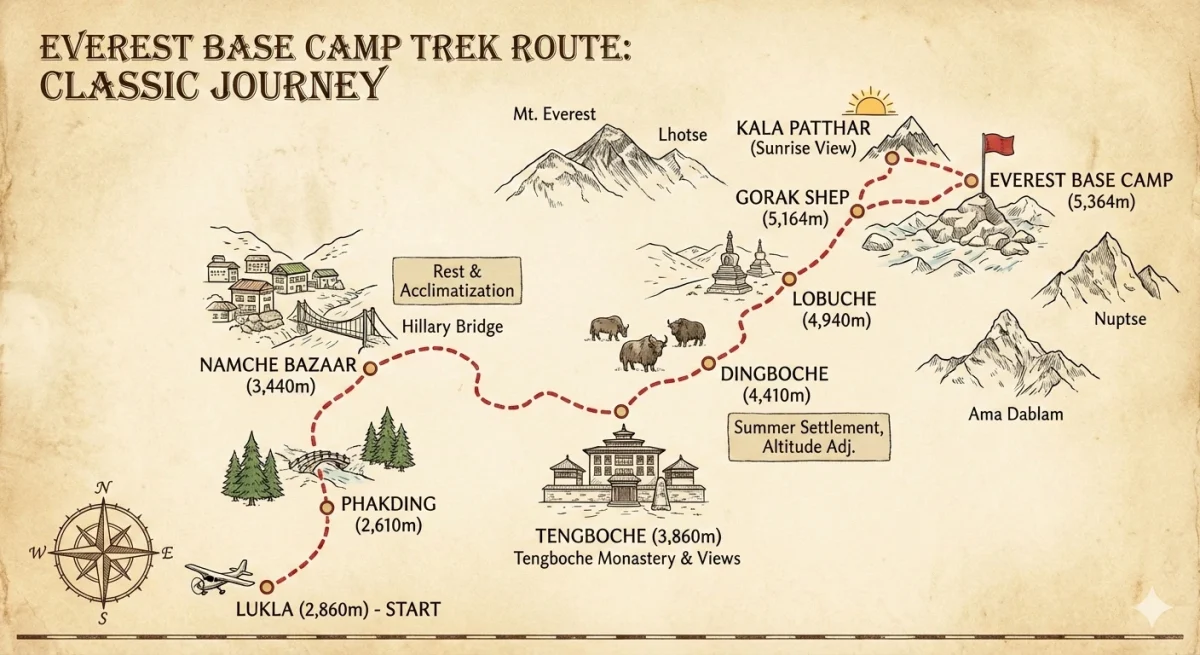
The Classic Journey Begins: Lukla To Namche Bazaar
Your adventure truly begins with the exciting flight into Tenzing-Hillary Airport in Lukla. This is often called the world’s most dangerous airport. The tiny runway sits on a mountainside. Your excitement starts pumping before you even start walking.
Mount Everest travel starts from Lukla (2,860m). The trail:
- Goes down slightly to the Dudh Koshi River
- Then follows it through pine forests and past small villages
- The up-and-down rhythm helps your body start adjusting to mountain trekking
The first major stop is Phakding (2,610m). Most groups spend their first night here. This gentle first day lets your body begin adjusting. You get comfortable with your bag, your speed, and your trekking group.
Day Two: The Namche Bazaar Challenge
Day two brings your first real challenge. A steep climb to Namche Bazaar (3,440m). After crossing the big Hillary Suspension Bridge, the trail goes steeply upward for about 2-3 hours. This climb gives your first possible views of Everest (if clouds allow).
Namche Bazaar, the rich Sherpa capital, welcomes you with bakeries, gear shops, and comfortable lodges. Most groups:
- Spend two nights here to adjust to the height
- Get time to explore this interesting mountain town
- Can do an adjustment hike to Everest View Hotel
Mount Everest travel packages usually include an extra rest day in Namche.
The Heart Of The Trek: Tengboche To Dingboche
From Namche, the trail goes around the mountainside toward Tengboche (3,860m). You get more and more beautiful mountain views. The famous Tengboche Monastery sits in a stunning location. You can see Everest, Lhotse, Nuptse, and Ama Dablam from here.
Going to the evening prayer ceremony here gives your journey a spiritual feeling. The monks’ chanting echoes through the monastery. Juniper incense fills the air. This creates a moment of peace and thinking. Many trekkers say this is one of their most memorable experiences.
Going upward, you will pass through Dingboche (4,410m):
- A summer settlement where Sherpa families bring their yaks to eat grass
- The landscape changes a lot here—trees disappear
- Hardy bushes and eventually bare rock and snow take over
Everest base camp trek cost 2023 includes Dingboche accommodation. Another adjustment day here allows a hike to Nagarjun Hill or Chhukung. This gives your body important time to make more red blood cells and adjust to the thin air.
Height Effects Get Stronger
The section between Dingboche and Lobuche (4,940m) is where many trekkers first really feel altitude’s effects:
- Headaches
- Not feeling hungry
- Being out of breath
The trail passes the Thukla memorial. This remembers climbers who lost their lives on Everest. It is a serious reminder of the mountain’s power and danger. From Lobuche, you continue to Gorak Shep (5,164m). This is the last settlement before Base Camp.
Everest base camp fees include these higher altitude places to stay. This bare, windy place offers basic rooms. It is your starting point for both Base Camp and Kala Patthar.
The Top Achievement: Base Camp And Kala Patthar
From Gorak Shep, most trekkers first hike to Everest base camp (5,364m) in the afternoon. The trail crosses the Khumbu Glacier’s rocky ground. It is a chaotic landscape of rocks and ice that looks almost otherworldly.
Cost to reach Everest base camp – whatever it is, reaching Base Camp brings mixed feelings:
- Joy at achieving your goal
- Wonder at seeing the Khumbu Icefall where climbers begin their summit tries
- Some disappointment that Everest’s peak is not visible from Base Camp itself
But standing there, surrounded by prayer flags and expedition tents (during climbing season), you will feel connected to mountaineering history and human ambition.
Sunrise At Kala Patthar: The Best Moment
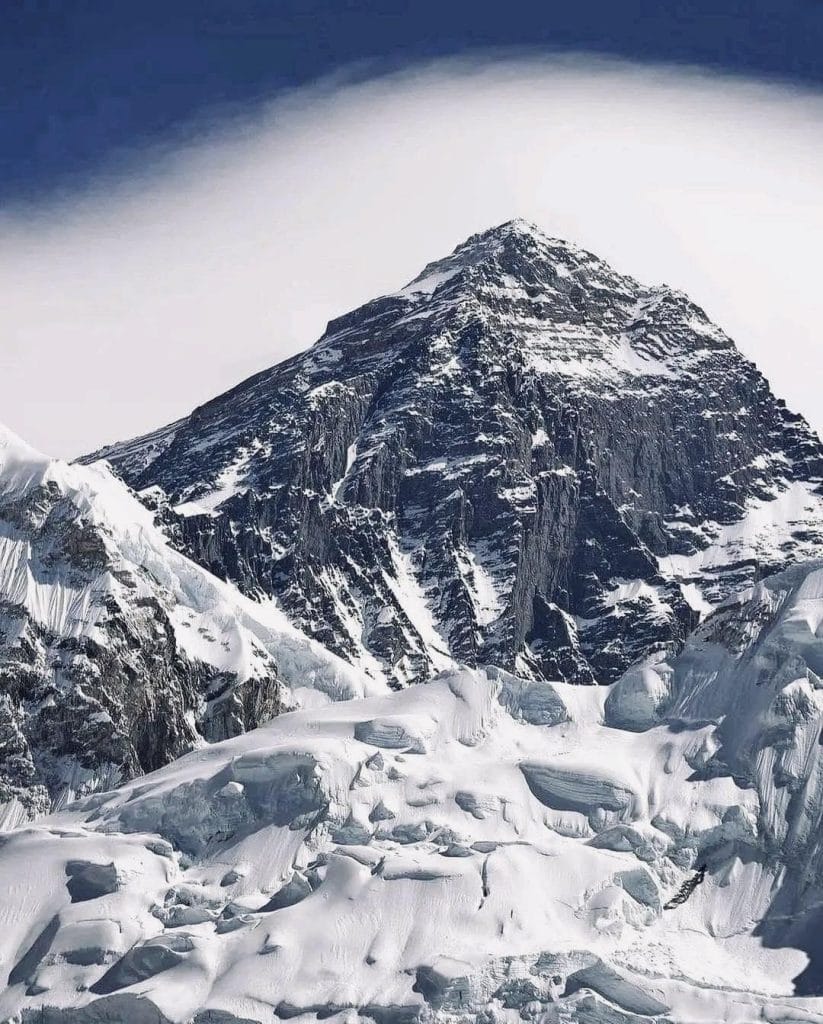
The next morning brings what many think is the trek’s best highlight. Sunrise at Kala Patthar (5,643m). This viewpoint gives clear 360-degree views of the Himalayas. This includes the closest full view of Everest’s summit you will get without climbing the mountain.
The early morning climb in darkness tests your will one final time. But when the sun’s first rays light up Everest’s peak, turning the snow golden-orange, every difficult step becomes worth it. Tears, laughter, and victory mix together. You stand higher than any point in North America or Europe.
After enjoying the views and taking photos (that will never quite capture the moment’s greatness), you will begin going down back toward Lukla. Most groups complete the return journey in 2-3 days. Moving faster now that your body is adjusted. The way down brings its own challenges. Tired legs, possibly damaged knees, and the strange feeling of “too much” oxygen as you return to lower places.
Real Costs And Budget Planning
Understanding Trek Costs And Prices
The Everest base camp trek can be cheap or expensive. It depends on your choices. Independent trekking (just you or a small group with a guide and porter) costs about $1,500-$2,000 per person for a standard 12-14 day plan.
What The Cost Includes:
- Guide and porter fees
- Staying in guesthouses
- Three meals every day
- Permits
- Internal flights
Adding a porter makes things much more comfortable. They will carry your main bag while you hike with just a small daypack with water, snacks, and camera.
Group Treks And Packages:
Group treks organized by international trekking companies usually cost $2,500-$4,500. This includes:
- Airport pickup when you arrive to when you leave
- Some meals in Kathmandu
- Security of established companies
- Better insurance coverage
- More comfortable arrangements
Mount Everest tour package luxury options can cost $5,000-$8,000 or more. These high-end options appeal to those who want the Everest experience without too much roughing it in basic guesthouses.
Extra Expenses To Think About
For a budget Everest base camp trek, think about these extra expenses:
- Kathmandu hotel nights (before and after the trek): $20-50 per night
- Travel insurance with high-altitude coverage (very important): $100-200
- Equipment rental or buying: $50-300
- Meals and drinks in Kathmandu: $10-20 per day
- Tips for guides and porters (usually $100-150 total)
- Emergency helicopter rescue insurance
Extra Costs On The Trail:
- Wi-Fi and charging devices (cost goes up with height)
- Hot showers at guesthouses: $3-5
- Bottled water (costs $1 in Lukla but $4-5 at Base Camp)
- Snacks and extra food
For a realistic Everest base camp budget, plan for $2,000-$3,000 minimum for a good independent trek experience. This includes all extras and emergencies.
Permits And Papers You Need
For Everest base camp, you need two main permits:
1. Sagarmatha National Park Entry Permit: $30
- Helps fund park conservation
- Supports trail maintenance
- Helps local community development
2. Khumbu Rural Municipality Permit: $20
- For local area development
- Supports community projects
Your trekking agency usually arranges these permits. But independent trekkers can get them in Kathmandu at the Nepal Tourism Board office. Or in Monjo (on the trail) at the park entrance. Bring passport photos and cash for the fees.
TIMS Card Update:
The Trekkers’ Information Management System (TIMS) card was stopped in 2023 for organized treks with registered companies. However, if you are trekking completely on your own without a guide or porter, check current requirements with the Nepal Tourism Board.
Travel Insurance – Very Important:
Standard travel insurance usually does not cover high-altitude trekking. You absolutely need a policy that clearly covers:
- Trekking up to at least 6,000 meters
- Emergency helicopter rescue
- Medical treatment at altitude
Medical rescue from high altitudes can cost $5,000-$10,000. Helicopter companies need payment promises before they start rescue missions.
Good Insurance Companies:
- World Nomads
- IMG Global
- Global Rescue
Read policies carefully. Understand exactly what is covered. Carry proof of insurance both on paper and digitally throughout your trek.
Managing Money On The Trail
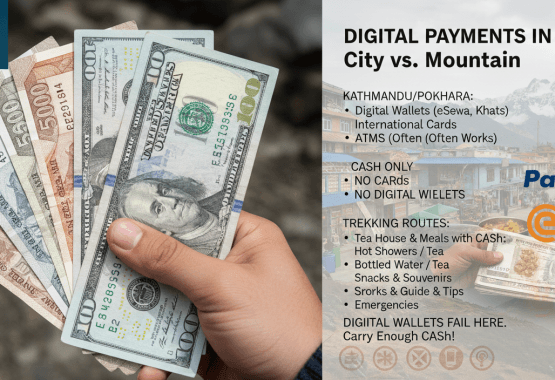
Nepal’s money is the Nepalese Rupee (NPR). ATMs in Kathmandu give enough cash for your trek. However, ATMs become hard to find beyond Lukla. The highest reliable ATM is in Namche Bazaar.
Cash Needs:
- Most guesthouses only take cash
- Some larger lodges in Namche and below take cards (but charge big fees: 5-10%)
- Plan to carry enough cash for your entire trek
- Keep it in different pockets and bags for safety
Daily Trekking Costs:
Lower Places:
- $25-35 per day including room
- Room (often free or $5-10 if you eat at the lodge)
- Meals: $5-8 per meal
- Snacks and drinks
Higher Places:
- About $40-50 per day
- Prices go up with altitude because it is hard to bring supplies
- Example: Water bottle – $1 in Lukla but $4-5 at Base Camp
Ways To Save Money:
- Use boiled water or water cleaning tablets/filters
- Reduces plastic waste
- Saves money compared to buying bottled water
Tipping Culture:
Tipping is important in Nepal. Trekkers usually tip:
Guide: $10-15 per day of service Porters: $8-10 per day of service
Tips are pooled together and given out at the end of the trek. This adds to their small salaries. It recognizes their hard work. Some groups create a tipping pool. Everyone contributes equal amounts. The trek leader gives it out properly.
Extra Tipping:
- Small tips for lodge staff, especially at higher altitudes
- Spreads goodwill
- Bring a mix of smaller bills (100, 500, and 1000 rupee notes)
Important Packing List And Gear Guide
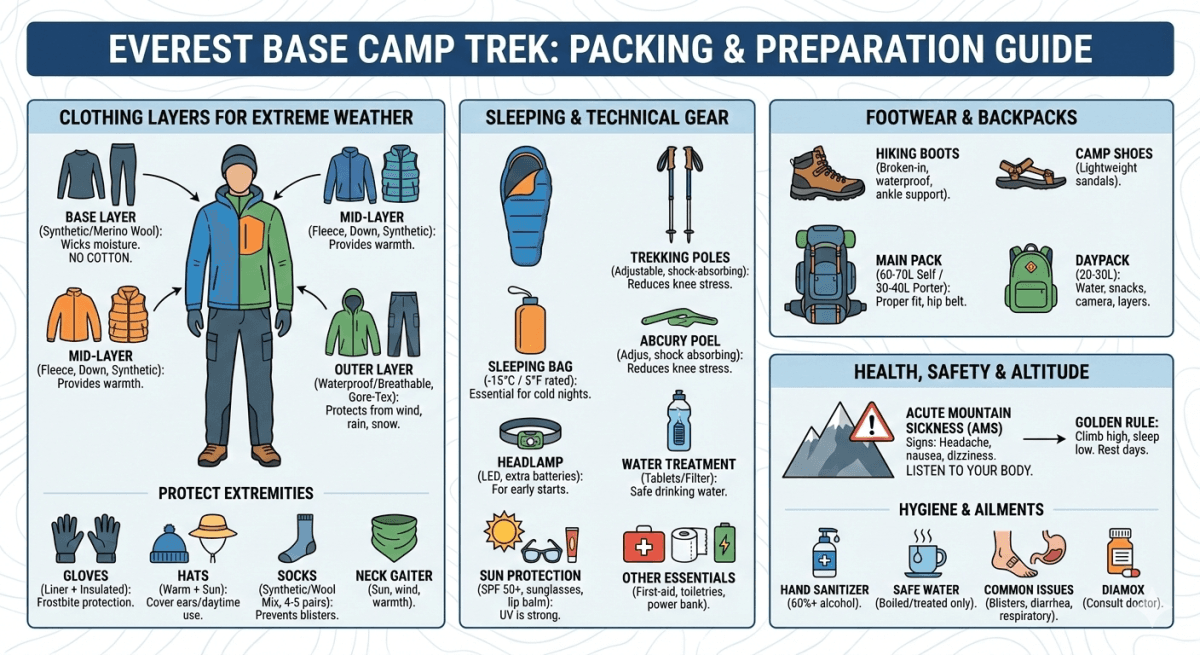
Clothing Layers For Extreme Weather
Layering is the basic rule for Himalayan trekking. Temperatures change a lot from hot valley sun to freezing high-altitude nights. Your base layer (closest to skin) should be synthetic or merino wool. Never cotton. Cotton holds moisture and loses all warmth when wet.
Base Layers To Pack:
- 2-3 long-sleeve base layer tops
- 2 base layer bottoms
- Synthetic or merino wool materials
- Take sweat away during the day
- Keep you warm at night
Merino wool works really well. It fights smells. You can wear items again without washing (important because laundry is not really possible on the trail).
Mid-Layers:
- Give main warmth
- Fleece jackets
- Synthetic insulated jackets
- Down vests
- At least one warm fleece
- Puffy insulated jacket for evenings and high-altitude parts
Outer Layer:
- Protects against wind, rain, and snow
- Invest in good waterproof-breathable jackets and pants
- Gore-Tex or similar materials
- Keeps you dry in unexpected weather
- Lets sweat escape
At high altitude, you will wear most of your layers at the same time. Make sure everything fits comfortably over each other without stopping movement.
Protecting Your Hands, Feet, And Head – Very Important:
Frostbite risk is real on hands, feet, and head. Pack:
Gloves:
- At least two pairs
- Lightweight thin gloves for trekking
- Heavy insulated gloves or mittens for early mornings and high altitude
Hats:
- Warm hat that covers your ears (must have)
- Sun hat for daytime protection
Socks:
- Good trekking socks (synthetic or wool mixes)
- Pack 4-5 pairs
- Always have dry socks available
- Stops blisters
Neck Protection:
- Neck covers do many things
- Sun protection
- Wind protection
- Warmth
Remember: You can always take off layers if you are too warm. But if you did not pack enough warm gear, you will be miserable (or worse, in danger) when temperatures drop.
Footwear And Backpack Basics
Your hiking boots are your most important gear investment. They will carry you hundreds of kilometers over rough ground. Choose waterproof boots with good ankle support. They need strong grip for steep, rocky trails.
Boot Needs:
- Must be fully broken in before your trek
- New boots cause blisters that can end your trek early
- Most trekkers like mid-weight hiking boots (balance support with weight)
- Some choose lighter trail runners (less support but more comfortable for experienced hikers with strong ankles)
Camp Shoes:
- Lightweight sandals or slip-ons
- For evenings at guesthouses
- Give your feet blessed relief after long trekking days
Backpack Choice:
Main Backpack:
- 60-70 liters if carrying everything yourself
- 30-40 liters if you hired a porter
- Proper fitting and adjustment is important
- Hip belt should carry most weight on your hips, not your shoulders
Backpack Organization:
- Use stuff sacks or packing cubes inside
- Keeps gear easy to reach and protected
- Good rain cover for heavy rains
- Pack important items (sleeping bag, electronics, papers) in waterproof bags inside your pack
Daypack:
- Should comfortably hold 2-3 liters of water
- Snacks
- Camera
- Extra layers
- Emergency items
Sleeping Bag Explained
Sleeping bags cause confusion. Guesthouses give blankets. But those blankets often are not enough at high altitude. A sleeping bag rated to -15°C (5°F) makes sure you stay warm even on the coldest nights at Base Camp.
Sleeping Bag Options:
- Many trekkers rent sleeping bags in Kathmandu or Lukla
- Saves luggage space
- Saves money compared to buying good bags used only for this trek
- Sleeping bag liners (silk or synthetic) add warmth
- Keep you cleaner
- Protect rental sleeping bags
Some guesthouses now charge for using blankets. This makes a good sleeping bag even more valuable for both comfort and saving money.
Technical Gear And Extras
Trekking Poles – Game Changer:
Trekking poles change the Everest base camp experience. Especially during going down when they reduce knee stress by up to 25%.
Pole Features:
- Adjustable poles work for both uphill (shortened) and downhill (lengthened) parts
- Poles with shock absorption give extra joint protection
- Many trekkers first think poles look unnecessary
- By day three, almost everyone becomes a fan
- Foldable poles pack easily for flights
Headlamps Are Must-Have:
Headlamps are needed because sunrise starts often mean walking before dawn. Guesthouse electricity is not reliable. Bring:
- Bright LED headlamp with fresh batteries plus spares
- Lithium batteries work better in cold
- Solar charger or power bank keeps electronics charged
- Many guesthouses offer charging services (for a fee) where electricity is available
Water Cleaning:
Water cleaning tablets or a filter system (SteriPEN, LifeStraw, or Sawyer filter) let you safely drink treated water from streams and taps. This saves money and reduces plastic waste.
Sun Protection – Very Important:
Sun protection becomes very important at high altitude. UV rays become stronger. Bring:
- High-SPF sunscreen (50+)
- Good sunglasses with UV protection (and a backup pair)
- Lip balm with SPF
- Prevents painful sunburn and snow blindness
Other Important Items:
- Toilet paper and wet wipes (in sealable bags)
- Quick-dry towel
- Basic first-aid kit (including altitude sickness medicine like Diamox if prescribed)
- Personal medicines
- A few comfort items (like favorite snacks or a small book)
Remember: You will carry everything yourself or pay porters by weight. Pack thoughtfully. Bring only what you will actually use.
Health, Safety, And Altitude Sickness
Understanding Acute Mountain Sickness (AMS)
Acute Mountain Sickness (AMS) affects about 75% of trekkers to some degree during the Everest base camp trek. AMS happens when your body cannot adapt quickly enough to less oxygen at high altitude. First signs are like a hangover. Headache, feeling sick, dizziness, tiredness, and not feeling hungry. These signs are your body’s alarm system. They warn you that going up has been too fast. Mild AMS can be managed and is expected. But ignoring signs or continuing to climb when they get worse can lead to life-threatening conditions.
The golden rule for altitude sickness is simple but very important. Never go up to sleep at a higher altitude if you are feeling worse AMS signs. “Climb high, sleep low” is the saying. You can day-hike to higher altitudes to help your body adjust. But always return to lower places to sleep. Proper adjustment schedules include rest days at smart points (Namche Bazaar, Dingboche). This gives your body time to adapt. Your guide will check you daily using a score that measures AMS signs. This tracks whether you are getting better or worse.
Treatment For Mild AMS:
- Rest
- Drink water
- Pain medicine for headaches
- Stop going up until signs get better
Many doctors give Diamox (acetazolamide). This speeds adjustment by making breathing better and improving oxygen. However, Diamox is not a magic pill. It helps but does not prevent AMS if you go up too fast. If signs get worse despite rest, the only working treatment is going down to lower altitude right away.
Very Important: Every year, trekkers die on this route. They ignore signs or feel pressured to continue despite their body’s warning signals. Your life matters more than reaching Base Camp. Always listen to your body and your guide.
Important Health Care And Cleanliness
Stomach illnesses are the second most common health problem on the EBC trek. Water cleanliness and food hygiene vary by location. Even seemingly clean water may have bacteria your stomach has not met before. Always drink treated water. Boiled water from guesthouses, water cleaned with tablets or UV devices, or bottled water (though this makes plastic waste). Avoid ice which might be made from untreated water. Be careful with fresh salads and uncooked vegetables at higher places where washing water may be dirty.
Hand Cleanliness Is Very Important:
Hand cleanliness becomes very important when bathrooms are basic. You are touching shared things constantly. Bring:
- Hand sanitizer (alcohol-based, 60%+ alcohol)
- Use it always before eating
- Many guesthouses give handwashing stations though soap quality varies
- Think about bringing your own natural soap for personal cleanliness
Toilet paper goes in bins, not toilets (which often do not have good plumbing). Carry plastic bags for used toilet paper. Western toilets become rare above Namche Bazaar. Get familiar with squat toilet ways if you are not experienced with them.
Common Trek Health Problems:
Common trek sicknesses include:
- Diarrhea
- Breathing infections from dry air and dust
- Small injuries from falls or blisters
Bring a complete first-aid kit including:
- Anti-diarrhea medicine (Imodium)
- Oral rehydration salts for dehydration
- Blister treatment supplies (moleskin, Compeed)
- Pain medicine
- Any personal prescription medicines
Preventive Care:
Taking care before problems happen helps:
- Proper hydration (3-4 liters daily, even when not thirsty)
- Keeping energy through regular eating (even when you do not feel hungry at altitude)
- Enough sleep
- Many trekkers also bring probiotic supplements to support stomach health
Emergency Steps And Rescue
Understanding emergency steps before you need them gives peace of mind. It could save your life. Helicopter rescue is the fastest way to get seriously sick trekkers to Kathmandu hospitals. Rescue flights work in good weather only (usually morning hours). Pilots will not fly in clouds or high winds no matter how serious the emergency. This means if you become very sick during bad weather, you might wait hours or even days for rescue conditions.
Helicopter Rescue Costs:
Helicopter rescue costs $3,000-$10,000 depending on location and weather conditions. It is billed to your insurance company or needs payment upfront. This is why complete travel insurance with high-altitude coverage is absolutely must-have.
Before Starting Your Trek:
- Take photos of your insurance papers
- Share them with your trekking agency and guide
- Most good agencies keep emergency contacts with helicopter companies
- Can arrange rescues quickly when needed
- Always carry your insurance company’s emergency number in both English and local language format
Your Responsibility:
Your guide is trained in first aid and recognizing serious altitude sickness signs. But you stay responsible for honest talk about how you are feeling. Pride or embarrassment can be deadly at high altitude. If you feel unwell, speak up right away.
Many trekkers make their signs seem smaller. They do not want to disappoint their group or waste money by turning back. But your friends and guide would much prefer a safe going down over seeing you seriously sick or worse.
Remember: Going down is not failure. It is smart decision-making that lets you return another day. The mountain is not going anywhere. But your health and life cannot be replaced.
Conclusion: Your Everest Base Camp Journey Waits
The Everest base camp trek truly deserves its place on any adventurer’s bucket list. It offers far more than just amazing mountain views. This journey challenges your body. It expands your cultural understanding. It shows personal strengths you never knew you had. Whether you are standing on the Hillary Bridge catching your first look at Everest, sharing tea with Sherpa families in mountain villages, or watching sunrise light up the world’s highest peaks from Kala Patthar, every moment becomes memories that last forever.
Yes, this trek needs preparation, money, and stepping boldly outside what feels comfortable. The altitude will challenge you. The cold will test your will. There will be moments when you question why you chose this particular adventure. But when you stand at Base Camp, surrounded by prayer flags moving in the wind, with the Khumbu Icefall rising before you, every difficult step becomes worth it. You will carry the confidence, strength, and joy from this achievement into every part of your life going forward.
The Cost Is Worth The Experience:
Whether you look at Everest base camp trek cost 2022, Everest base camp trek cost 2023, or mount Everest trip cost today, the investment in yourself is priceless. The average cost of Everest base camp trek might seem high. But what you gain cannot be measured in money. The Everest base camp trek expenses cover more than just flights and food. They cover a life-changing experience.
For those worried about cost of trekking to Everest base camp, remember there are options. From budget Everest base camp trek choices to luxury packages, there is something for every traveler. The Everest base camp trek cheap options still give you the same amazing experience. The mountains do not care if you paid $1,500 or $5,000. They treat everyone the same.
Planning Your Adventure:
When researching mount Everest base camp tour package options or mount Everest travel packages, look for reputable companies with good reviews. Check what is included in the Everest base camp trek package cost. Some packages include everything while others have hidden costs. Understanding the total cost of Everest base camp trek helps you budget properly.
The cost to climb Everest base camp or cost to get to Everest base camp includes more than just the trek itself. Factor in:
- International flights to Nepal
- Visa fees
- Pre and post-trek accommodation in Kathmandu
- Meals in the city
- Shopping for last-minute gear
- Tips and souvenirs
Take The First Step Today:
So stop dreaming and start planning. Research trekking companies. Begin your fitness training. Take that first real step toward making this bucket list dream a reality. The mountains are calling. Everest base camp as bucket list is not just a phrase. It is a promise of transformation, adventure, and self-discovery.
Your adventure of a lifetime is waiting. Will you answer the call?
Ready to take the next step?
Start by:
- Talking with good trekking companies
- Schedule a physical fitness check
- Mark your calendar for spring or autumn dates
- Save money for your Everest trip cost
- Get proper travel insurance
- Begin training your body
Your Everest base camp story begins with that first decision to truly commit. The question is not whether you can do it. The question is whether you will give yourself the chance to find out.
Whether you are looking at EBC trek price, EBC trek cost, EBC trekking cost, or EBC cost, remember that this investment is in yourself. The climb to base camp Everest cost is small compared to what you gain. The Everest guide cost and mount Everest guide cost pay for experienced people who keep you safe and share their knowledge.
The Everest tour price or mount Everest tour price covers an experience that will change your life. The Everest trek price and mount Everest trek price are for more than just a walk. They are for a journey into yourself.
When planning your trip to Everest cost or trip to mount Everest cost, remember that cheaper is not always better. Safety, good guides, proper acclimatization schedules, and quality equipment matter. The Everest cost should reflect value, not just low price.
Final Thoughts:
The base camp trek cost and mount Everest base camp price vary by season, company, and services included. The Everest base camp tour cost might include guide services, permits, accommodation, and meals. The cost for Everest base camp adventure of a lifetime is an investment that pays dividends in confidence, strength, and memories forever.
The Everest base camp expedition cost is worth every penny. The cost of climbing to Everest base camp covers the physical journey. But the emotional and spiritual journey? That is priceless.
Whether you choose a budget everest base camp trek or a luxury package, whether you go in spring, autumn, or off-season, whether you spend $1,500 or $6,000 – the mountain will humble you, inspire you, and change you.
So start today. Your Everest base camp as bucket list dream is waiting. The only thing stopping you is taking that first step. Book that consultation call. Start that training run. Mark that calendar. Your journey to the roof of the world begins now.
Adventure awaits!
Frequently Asked Questions
The trek is moderately difficult due to long walking days and high altitude, not technical terrain.
No, first-time trekkers can complete the trek with proper preparation and acclimatization.
Altitude sickness is the main risk, which is managed by a slow ascent and rest days.
Spring (March–May) and autumn (September–November) provide stable weather and clear mountain views.
Trekkers stay in teahouses offering basic rooms, meals, and shared facilities.
Temperatures can drop below freezing at night, especially above 4,000 meters
A guide is not mandatory but greatly improves safety, navigation, and altitude management.
It combines dramatic Himalayan scenery, Sherpa culture, and access to Mount Everest without technical climbing.